
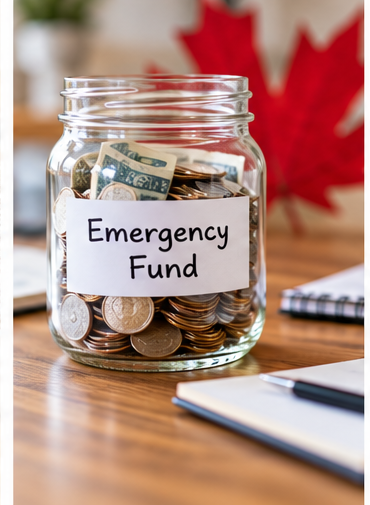
 Unexpected expenses can affect almost any household, regardless of income. A sudden appliance failure, temporary reduction in working hours, or emergency travel expense can create an immediate need for money. Canadians researching instant online loan options in Alberta may be looking for ways to handle these situations when savings are limited. Although some lending products offer relatively quick application processes, building an emergency savings fund can provide a valuable financial alternative and reduce dependence on borrowed money.
What Is an Emergency Fund?
An emergency fund is money reserved specifically for unexpected, necessary expenses.
Unlike savings intended for vacations, entertainment, or planned purchases, emergency savings provide a financial cushion when something goes wrong.
Common examples of emergencies include urgent home repairs, necessary medical or dental expenses not otherwise covered, and unexpected employment interruptions.
The purpose is to have accessible money available without needing to rely immediately on expensive credit.
Emergency savings should generally be kept somewhere that allows reasonably quick access.
Many Canadians use a separate savings account for this purpose.
Why Small Financial Emergencies Matter
Not every emergency involves thousands of dollars.
A comparatively modest expense can still cause difficulty if a household has little money remaining after regular bills.
For example, replacing a damaged tire, arranging urgent plumbing work, or purchasing an essential appliance part may require money that was intended for another expense.
Without savings, a person might use a credit card or short-term loan.
That borrowing creates an additional repayment obligation.
If the borrower is already managing a tight budget, even a small loan payment can lead to further financial pressure.
Having savings available can interrupt this pattern.
Starting With a Realistic Savings Goal
The idea of building a large emergency fund can feel overwhelming.
However, saving does not need to begin with an ambitious target.
Someone might start by trying to accumulate $250 or $500.
The initial amount depends on household circumstances and available income.
Once that target is reached, the savings goal can gradually increase.
A commonly discussed long-term objective is having enough accessible savings to cover several months of essential living expenses.
However, this may take considerable time to achieve.
Consistent progress is more important than selecting a target that cannot realistically be maintained.
How Automatic Transfers Can Help
One method of developing a savings habit is arranging automatic transfers.
A small amount can be moved from a chequing account into a savings account each payday.
For example, setting aside $15 every two weeks would accumulate $390 over 26 deposits, excluding any interest.
Although this may not cover every possible emergency, it creates a useful starting point.
The amount should be affordable after essential expenses and existing payment obligations.
Someone experiencing financial difficulty may need to begin with an even smaller contribution.
Automatic saving works best when it does not cause overdrafts or interfere with necessary household spending.
Keeping Emergency Savings Separate
Using a dedicated savings account can make emergency money easier to track.
When savings are mixed with everyday spending funds, it may be difficult to determine how much money is actually available.
A separate account also creates a psychological distinction between routine spending and money reserved for unexpected needs.
Some consumers prefer accounts without monthly fees or complicated withdrawal restrictions.
Accessibility is important because emergency expenses often require prompt payment.
However, keeping the money separate from the main spending account may reduce the temptation to use it for nonessential purchases.
When Borrowing May Still Be Necessary
An emergency fund does not eliminate every possible need for credit.
A major household repair or unexpected income interruption may cost more than the amount saved.
In these situations, borrowing may still be considered.
The important distinction is that savings can reduce the amount required.
Someone who needs $1,000 for an urgent expense but has $400 available may only need to investigate financing for the remaining $600.
Borrowing less can reduce applicable interest or fees.
Before making a decision, consumers should compare available credit products and examine the total repayment obligations.
Rebuilding Savings After an Emergency
Emergency funds are intended to be used when necessary.
Spending the money on a genuine emergency does not mean the savings plan has failed.
After the immediate problem is resolved, the household can gradually rebuild the balance.
This might involve returning to the previous automatic savings amount or temporarily adjusting discretionary spending.
The rebuilding process should remain realistic.
Borrowing expensive money solely to restore an emergency fund would generally undermine the fund’s purpose.
Developing a Financial Safety Net Over Time
Financial resilience often develops through repeated small decisions.
Tracking expenses, limiting unnecessary debt, and saving regularly can gradually improve a household’s ability to handle unexpected costs.
Families may also benefit from reviewing insurance coverage and identifying other resources available during emergencies.
A savings plan should be adjusted when income or household circumstances change.
Even when progress is slow, having some accessible savings can provide more flexibility than depending entirely on credit whenever an unexpected bill arrives.